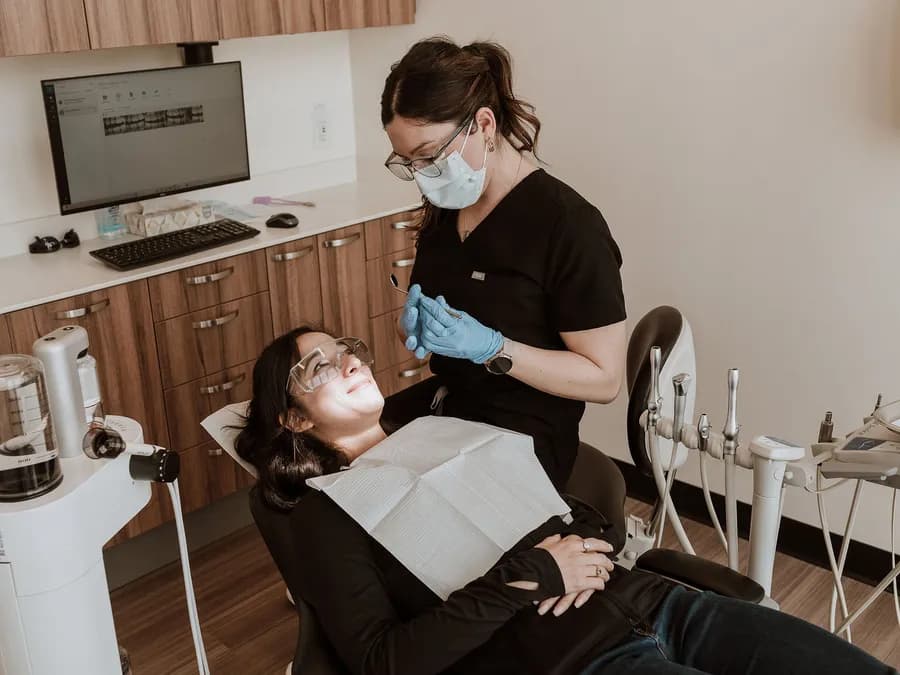
If you’ve ever winced after a sip of cold water or felt a sharp zing when enjoying something sweet, you’re not alone. Tooth sensitivity is one of the most common dental concerns among children, teens, and adults—and it can strike suddenly or build gradually over time. At Arch Dental, your trusted dentist in Mill Woods, we help patients every week who experience discomfort with hot, cold, or sugary foods. While sensitivity is common, it’s not something you have to live with.
Understanding the causes behind sensitive teeth is the first step toward relief. In this blog, we’ll explore why sensitivity happens, what you can do daily at home to reduce discomfort, and how professional care at your Mill Woods dental clinic can help protect your oral health long-term.
What Is Tooth Sensitivity?

Tooth sensitivity occurs when the outer layer of enamel becomes thin or compromised, exposing the underlying dentin. Dentin contains microscopic channels that connect directly to the nerves inside your tooth. When hot, cold, or sweet substances enter these channels, they trigger nerve responses that feel sharp or uncomfortable.
Sometimes sensitivity comes and goes. Other times, it becomes a persistent problem that affects your quality of life. Either way, a visit to a Mill Woods dentist can help determine what’s causing your symptoms.
Common Causes of Tooth Sensitivity
There isn’t just one reason teeth become sensitive—often, several small factors add up over time. Here are some of the most frequent causes:
Enamel Erosion
Acidic foods, frequent snacking, and certain beverages like soda and energy drinks can gradually wear away enamel. When enamel becomes thin, it exposes the sensitive dentin beneath.
Gum Recession
When gums pull away from the teeth—often due to gum disease or brushing too aggressively—the root surface becomes exposed. Unlike enamel, roots are not naturally protected, making them more sensitive to temperature changes.
Tooth Grinding (Bruxism)
Clenching or grinding your teeth can wear enamel down. Many people grind their teeth at night without even realizing it. This constant pressure can make teeth increasingly sensitive.
Cavities or Cracked Teeth
Decay, fractures, and small cracks in the enamel open pathways to the nerves, causing discomfort when chewing or consuming hot or cold foods.
Recent Dental Work
Some sensitivity after fillings, whitening treatments, or restorations is normal and usually temporary. However, prolonged sensitivity should be evaluated by your dentist Mill Woods. Understanding the exact cause requires a professional assessment, which is why persistent sensitivity should never be ignored.
When Sensitivity Signals a Bigger Change
Although tooth sensitivity may seem like a small annoyance, it can be an early indicator of changes in your oral health. If left untreated, what starts as sensitivity can lead to:
- Deeper cavities
- Pulp irritation or infection
- Gum disease
- Cracked teeth
Early diagnosis is the best way to prevent more serious problems—and often, simpler treatments are all that’s needed when conditions are caught early.
Get In Touch With Us
Click the button below to book your next appointment with Arch Dental.
Home Care Tips to Reduce Tooth Sensitivity
If you experience mild sensitivity, there are simple steps you can take at home to reduce discomfort before your dental visit.
Switch to a Sensitive Toothpaste
Desensitizing toothpastes contain ingredients that help block the nerve pathways inside the dentin. With consistent use, most people notice improvement within a few weeks.
Use a Soft-Bristled Toothbrush
Firm bristles and aggressive brushing can wear enamel away faster. A soft-bristled brush paired with gentle pressure protects enamel and gums.
Avoid Highly Acidic Foods and Drinks
Citrus fruits, vinegar-based foods, sports drinks, and carbonated beverages can worsen sensitivity. Limiting them or rinsing with water after consuming them can help protect enamel.
Try Fluoride Products
Fluoride strengthens enamel and reduces sensitivity over time. Products such as fluoride rinses or gels can offer added protection.
Avoid Whitening Products Temporarily
Whitening strips and gels can sometimes heighten sensitivity. If you’re noticing discomfort, pause whitening until you speak with your dentist in southeast Edmonton.
These home care methods can help reduce symptoms, but if sensitivity persists, professional evaluation is important.
How Arch Dental Can Help Treat Tooth Sensitivity
At Arch Dental, we provide personalized solutions based on the specific cause of your sensitivity. Depending on your needs, treatment may include:
Fluoride Varnish or Gel Treatments
Professional-strength fluoride helps rebuild enamel and reduce nerve sensitivity quickly and effectively.
Dental Bonding
If enamel has worn away in certain areas, bonding can protect exposed surfaces and reduce symptoms.
Gum Disease Treatment
If gum recession or inflammation is contributing to your sensitivity, treating the underlying gum issue is essential.
Night Guards for Grinding
If bruxism is wearing away enamel, a custom-fitted night guard can prevent further damage and minimize sensitivity.
Fillings or Restorations
When cavities or fractures are causing sensitivity, restoring the affected tooth will help protect the nerve and prevent further breakdown.
With early intervention, most cases of sensitivity can be managed comfortably and effectively. Our team at your Mill Woods dental clinic is here to help you determine the right solution.
When to See Your Dentist
You should schedule a visit to your dentist in Mill Woods if:
- Your sensitivity has lasted more than a week or two
- Pain occurs frequently or is worsening
- You have trouble eating hot, cold, or sweet foods
- You haven’t had a dental checkup in over six months
Even mild sensitivity can be a sign that something in your mouth is changing. Early care helps prevent small issues from becoming major dental problems.
Protect Your Smile and Stay Comfortable
Tooth sensitivity can interfere with your daily routine, but it doesn’t have to. With proper care, smart home habits, and help from the Arch Dental team, you can enjoy your favourite foods again—without the worry. As a comprehensive Mill Woods dentist, we’re committed to diagnosing the causes of your discomfort and providing effective, long-term solutions.
Whether you need preventive care, fluoride treatments, or restoration options, we’re here to help restore comfort and protect your oral health. Book an appointment with our friendly team today and let your smile feel like itself again.
Questions about your own teeth? We are happy to help.
Book An Appointment